

Voli in mongolfiera da Mondovì (CN)
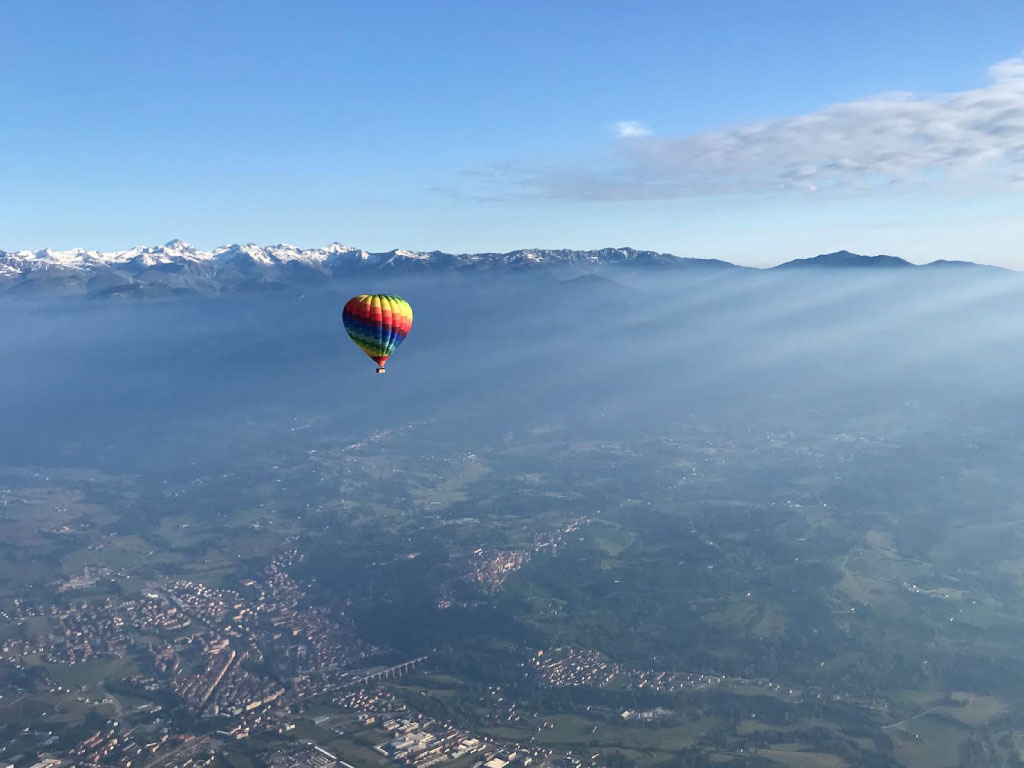
Volare è un sogno antico, un’esperienza unica. Le emozioni sono un susseguirsi di immagini, sensazioni e suoni interrotti solamente dal rumore dolce del bruciatore. Coglieremo le sfumature dei colori, delle città e della campagna da un punto di vista diverso, insolito ed impareggiabile.Voleremo poco sopra i tetti, seguendo l’orografia del terreno e, se il vento ci vorrà bene, scenderemo verso il letto del fiume Tanaro per sfiorarne l’acqua. Saliremo fino a duemila metri per ammirare le Alpi, l’Appennino Tosco-Emiliano e il Golfo di Genova.
Decolleremo da Mondovì, Magliano Alpi o Piozzo e dopo circa un’ora cercheremo un campo adatto per un atterraggio morbido. Alla fine festeggeremo il volo con il battesimo dell’aria.
Punto di ritrovo:
presso il Porto Aerostatico, in Corso Francia 18.
- Volo ordinario in gruppo* – 220€ a persona
- Bambini 8-12 anni accompagnati da un adulto** – 170€ a persona
- Volo esclusivo privato per due persone*** – 760€
- Volo esclusivo privato da tre o più persone*** – Contattaci per informazioni
Voli in mongolfiera da Canale D’Alba (CN)
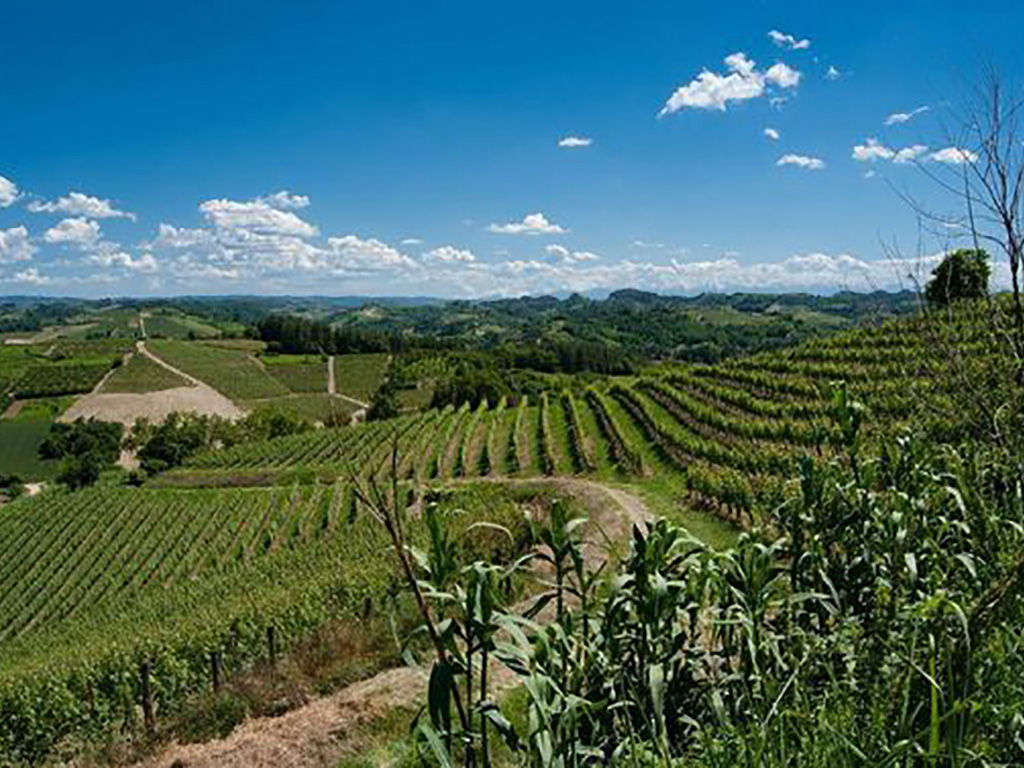
Sulle colline del Roero, poco lontano da Asti, Canale offre un paesaggio mozzafiato. Un volo sopra i castelli, i vigneti, le forme dolcissime delle colline dell’Arneis e del Birbèt. Un punto di vista privilegiato nel silenzio totale, respirando l’odore della terra.Decolleremo da poco fuori la città di Canale, dopo un’ora cercheremo un campo adatto per l’atterraggio e festeggeremo il volo con il battesimo dell’aria e prodotti delle Langhe e del Roero.
Punto di ritrovo:
presso il parcheggio antistante il ristorante “Garel”, strada Torretta 12.
-
- Volo esclusivo privato per due persone*** – 880€
- Per voli esclusivi da 3 o più persone – Contattaci per informazioni
Voli in mongolfiera da Pralormo**** (TO)
Pralormo fa parte della Città Metropolitana di Torino, è un piccolo comune tra Moncalieri e Alba. Da qui, passando accanto al celebre castello, sorvoleremo i campi verso le colline dell’astigiano, costeggiando lo skyline della capitale sabauda.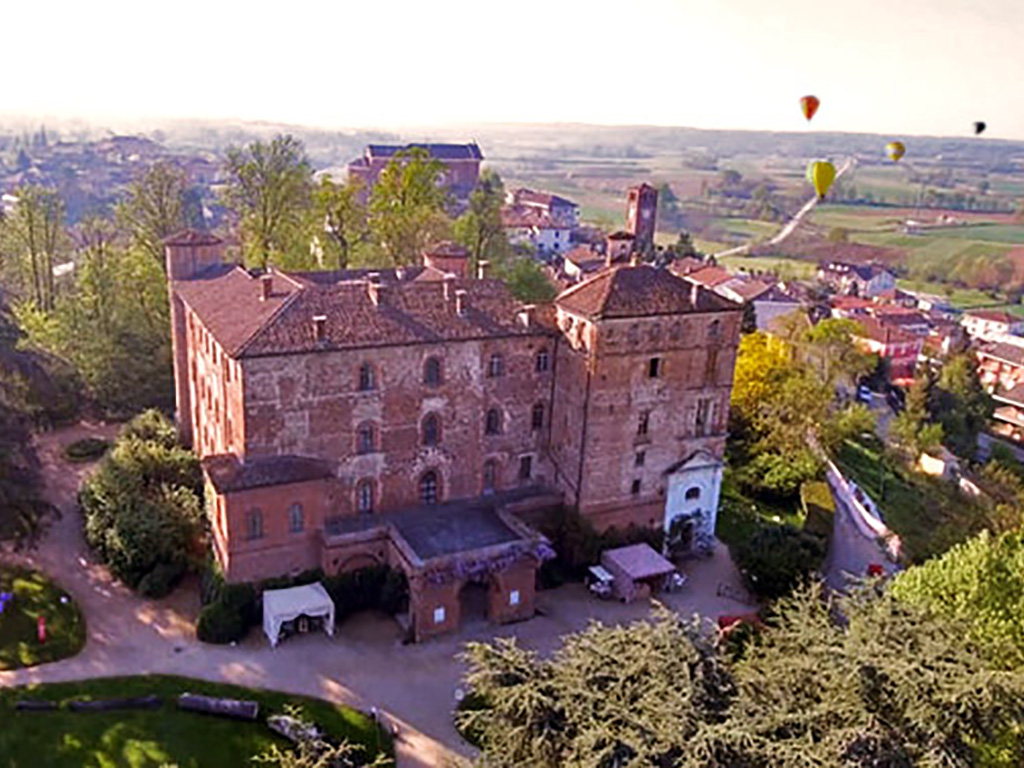
-
- Volo esclusivo privato per due persone*** – Contattaci per informazioni
- Per voli esclusivi da 3 o più persone – Contattaci per informazioni
Voli in mongolfiera da Barolo (CN)
Voleremo sulle vigne di Barolo, Novello, La Morra e Castiglione Falletto, sfiorando le dolci colline delle Langhe, fino a sentire gli odori più autentici di queste terre meravigliose, Patrimonio dell’Umanità UNESCO. Il contrasto di colori è davvero da togliere il fiato: le colline “pettinate” dalle vigne, la terra scura e il verde o il rosso delle viti, il blu del cielo.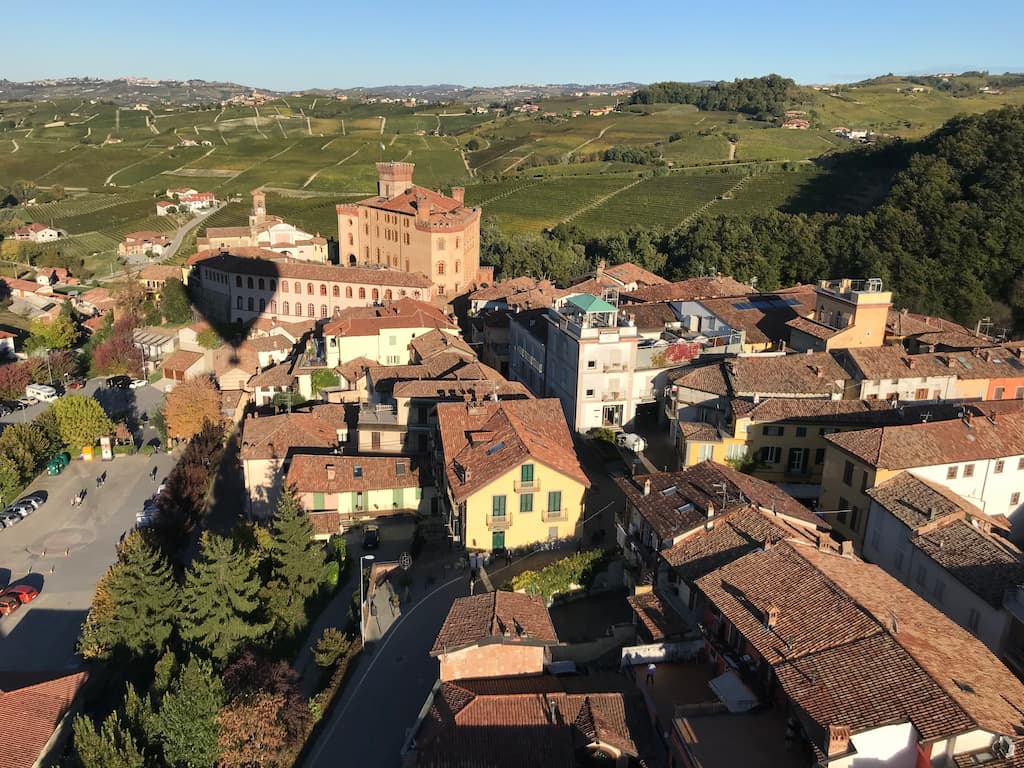
Volo esclusivo privato per due persone*** – 880€
Per voli esclusivi da 3 o più persone – Contattaci per informazioni
INDICAZIONI GENERALI
Tutti i biglietti sono soggetti ai termini e condizioni di vendita.
* La data del volo e la composizione del gruppo verranno gestite da Slowfly. Il volo si effettua con un minimo di sei passeggeri.
** Massimo 2 bambini per volo. Superiori a 8 anni e inferiori a 12 anni alla data del volo. Valido solo per i voli ordinari di gruppo.
*** Il volo esclusivo, oltre a essere riservato, usufruisce della possibilità di scegliere la data del volo stesso (tra le date disponibili).
Gli orari dei voli possono subire variazioni, anche importanti, a seconda delle condizioni meteo.
| MESE | MATTINA | POMERIGGIO |
|---|---|---|
| Gennaio | 9:00 | 14:00 |
| Febbraio | 8:30 | 14:30 |
| Marzo | 8:00 | 15:00 |
| Aprile | 7:30 | * chiedere per info |
| Maggio | 7:00 | * chiedere per info |
| Giugno | 6:30 | * chiedere per info |
| Luglio | 6:30 | * chiedere per info |
| Agosto | 6:30 | * chiedere per info |
| Settembre | 7:00 | * chiedere per info |
| Ottobre | 8:00 | 16:00 |
| Novembre | 8:30 | 14:00 |
| Dicembre | 9:00 | 14:00 |
La mongolfiera è adatta a tutti!
Il volo in mongolfiera non comporta rischi o controindicazioni particolari, in ogni caso è indispensabile godere di buona salute. È tua responsabilità assicurarti di essere in grado di effettuare il volo. Se hai ricevuto cure mediche o sostenuto interventi chirurgici nei due mesi precedenti il volo, consulta il tuo medico.
Per ragioni di sicurezza non si può volare:
- in stato di gravidanza
- se non si è in grado, per qualsiasi motivo, di mantenere la corretta posizione di sostegno durante le fasi di atterraggio.
Il pilota ha la facoltà, come previsto dal Codice della Navigazione Aerea, di non far volare persone che ritiene siano sotto l’effetto di alcool o di stupefacenti. Il pilota, in ogni momento, può rifiutare il volo a te o a chiunque altro, se considera a rischio la tua sicurezza o quella degli altri passeggeri.
Slowfly si riserva il diritto di cancellare una prenotazione se l’equipaggio o i passeggeri sono oggetto di violenze verbali o fisiche o se il regolare svolgimento dell’attività rischia di essere disturbato dal tuo comportamento o da quello dei tuoi accompagnatori. In tutti questi casi non avrai diritto ad alcun rimborso.
Date le restrizioni sulle capacità di sollevamento delle mongolfiere, passeggeri superiori ai 110kg potranno essere soggetti a un sovrapprezzo (pagabile all’atto della prenotazione oppure direttamente sul campo di decollo).
Slowfly può rifiutare bambini che non raggiungano l’altezza minima imposta dal Codice della Navigazione Aerea. Tutti i minori di 14 anni devono essere accompagnati da un adulto responsabile e fino a 18 anni devono avere il consenso dei genitori.